Airtight wood stoves are designed to maximize fuel efficiency, minimize smoke, and deliver reliable heat in both indoor living spaces and outdoor campsites. This guide highlights five top-rated models, focusing on airtight construction, long burn times, and user-friendly features. Each section includes an at-a-glance look at the product and how it stacks up for energy efficiency, safety, and maintenance. Read on to compare capacities, durability, and innovative design elements that help you get more warmth with less waste.
| Product | Brand | Approximate Capacity | Key Benefit |
|---|---|---|---|
| Pleasant Hearth 2,200 Sq. Ft. Wood Stove with Legs and Stainless Steel Ash Lip | Pleasant Hearth | Up to 2,200 sq ft | Large glass window for clear fire view and built-in air wash |
| Huron Medium Wood Stove | Cleveland Iron Works | Up to 2,500 sq ft | Firebrick lined for longevity and efficient combustion |
| YRenZ Upgraded Portable Wood Stove for Camping | YRenZ | Compact, high capacity firebox | High airtightness for outdoor cooking and heating |
Pleasant Hearth 2,200 Sq. Ft. Wood Stove
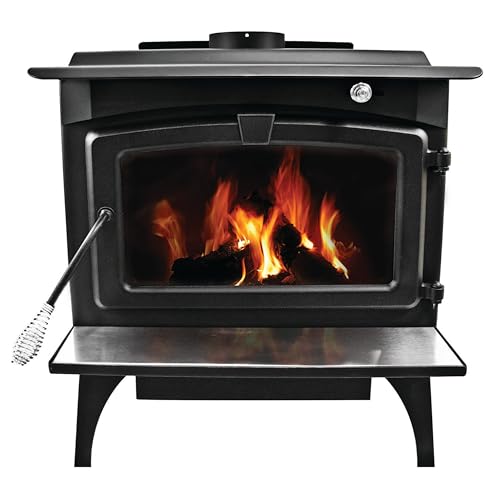
The Pleasant Hearth model heats up to 2,200 square feet, making it a robust option for larger living spaces. Its large ceramic glass window provides a striking view of the flames, enhancing ambiance while you monitor heat output. A built-in air wash system helps keep the glass clean, allowing clearer visibility of the fire and more efficient burning. This stove is designed for steady, long burns with controlled airflow to maximize efficiency and minimize maintenance.
Huron Medium Wood Stove

The Huron Medium Wood Stove is engineered to heat up to 2,500 square feet, making it suitable for larger homes or open-plan spaces. It accepts logs up to 18 inches, improving loading efficiency and fuel flexibility. A firebrick lining enhances longevity and supports efficient combustion, helping to retain heat longer and reduce ash buildup. This model emphasizes durability and sustained heat output, ideal for colder seasons.
YRenZ Upgraded Portable Wood Stove

The YRenZ portable stove focuses on high airtightness for tents and outdoor cooking. Its compact design belies a capable firebox that supports extended burn times and reliable heat in outdoor settings. The stove’s heavy-duty steel construction resists high heat without warping, making it durable for repeated camping trips. It’s a practical choice for hikers and campers seeking a dependable, transportable heating and cooking solution.
Pddolw Indoor Wood-Burning Heating Stove

The Pddolw stove emphasizes an airtight, fully welded design that optimizes heat retention, suitable for indoor heating and cooking applications. Its ash box design enhances cleanliness and safety by capturing burning ash. The stove supports multiple natural fuel sources, including wood and coal, offering flexible use in homes or remote locations where reliable heating is essential during colder months.
Guide Gear Large Outdoor Wood Burning Stove

This outdoor stove is designed for camping, cooking, and extended outdoor use. It features a durable galvanized steel body, a cast iron door, and a generous 24″ x 17″ x 15″ firebox, delivering substantial heat for outdoor spaces and meals. The model emphasizes durability and practical heat output, making it suitable for backcountry cooks and family camping trips alike.
Buying Guide: Key Purchase Considerations
When selecting an airtight wood stove, consider heat output, space coverage, and fuel efficiency. A larger firebox and higher burn efficiency translate to longer intervals between refueling and steadier warmth. Look for features like airtight seals, air wash systems, and firebrick linings that support longevity and cleaner burning. For indoor use, ensure the stove complies with local safety codes and includes proper clearance, venting options, and ash management. Outdoor models should prioritize portability, robust ash handling, and weather-resistant construction. Compare ease of maintenance, availability of replacement parts, and warranty terms to protect your investment.
Key factors to compare across models include:
- Heating capacity: square footage coverage and maximum heat output
- Fuel flexibility: can burn wood, coal, or other biomass
- Construction: firebox size, door design, and airtight seals
- Ventilation: ease of chimney connection and smoke control
- Durability: materials, corrosion resistance, and warranty
For practical use, think about your typical environment—indoor living spaces versus outdoor camping—and match the stove’s design to your heating and cooking needs. Consider installation requirements, routine maintenance, and how the stove will fit with your existing heating strategy to maximize efficiency and safety.