Choosing the right cutting board material matters for kitchen safety, knife care, and cleanup. This guide reviews five popular options—plastic, wheat straw, bamboo, titanium, and recycled plastic composites—highlighting what makes each material a good fit for different tasks and budgets. You’ll find concise product snapshots and a buying guide to help compare functionality, durability, and environmental impact across common options.
Summary of selected products (materials, sizes, and benefits) below to help you compare at a glance.
| Product | Material | Size / Range | Key Benefit |
|---|---|---|---|
| Farberware Extra-Large Plastic Cutting Board | Polypropylene (Plastic) | 12″ x 18″ | BPA-free; reversible; dishwasher safe |
| AXIOM CREATIONS 2-Piece Wheat Straw Set | Wheat straw (BPA-free, compostable feel) | Multiple sizes included | Eco-conscious; safe for foods; knife-friendly |
| Kikcoin Bamboo Cutting Boards | Bamboo | 17.6″ x 12″ | Deep juice groove; gentle on knives |
| Sumzzz Titanium & Wheat Straw Board | Titanium + Wheat Straw PP | 16″ x 11″ | Two-sided; durable; efficient juice management |
| Empune Plastic Cutting Board Set | Recycled Plastic | 3 boards: 12×8, 14×10, 16×11.2 | Rack included; nonporous; multiple sizes |
Farberware Extra-Large Plastic Cutting Board
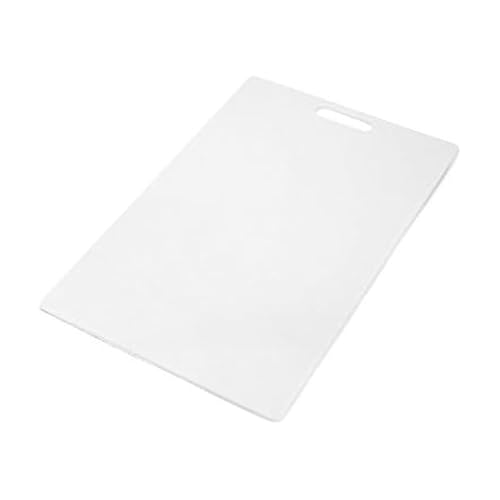
This cutting board is constructed from BPA-free polypropylene plastic, a material known for being non-absorbent and non-porous. The design helps prevent odors, stains, and harboring bacteria, which supports safer food preparation. It is gentle on knives, helping to minimize dulling during repeated use. The board is reversible, offering double cutting surface for batching tasks and includes a hand hole to provide added control and stability while chopping. The product listing highlights its dishwasher-safe convenience, making cleanup quick and easy after meals that involve meats, fish, or produce.
Ideal uses include large-scale meal prep, meat and vegetable prep in busy kitchens, or when you need a sturdy, budget-friendly board that can handle frequent washing. While plastic boards can scratch more easily than some woods, the material’s non-porous surface is easier to sanitize, particularly in households that rely on dishwasher cycles. For best results, assign this board to general cutting tasks and sanitize after handling raw proteins to reduce cross-contamination risk.
AXIOM Wheat Straw Cutting Board Set

The AXIOM CREATIONS boards are made primarily from natural wheat straw fiber, an eco-conscious material designed as a sustainable alternative to plastic. The food-grade composition is gluten-free and BPA-free, reducing concerns about microplastics entering food during prep. As a soft relative to hard plastics, the wheat straw surface is easier on knives, potentially extending blade life compared with harder plastics or glass. The set is reversible, increasing usable surface area for different tasks, and it’s designed to promote safe handling while maintaining stylish kitchen aesthetics.
From a safety and sustainability perspective, wheat straw boards offer a practical middle ground: more durable than some thin plastics, while being gentler on blades than certain harder plastics. They’re well-suited for everyday chopping of vegetables and fruits, as well as light protein preparation. Keep in mind that while softer materials may accrue scratches or minor wear over time, proper care—washing and air-drying—helps preserve the surface and minimize staining. Use dedicated boards for raw meats when cross-contamination is a concern.
Kikcoin Bamboo Cutting Boards

These boards are built from 100% natural bamboo, a dense, sustainable wood option that retains a natural texture and is treated with food-grade oil for a smooth, burr-free surface. The boards are wider, thicker, and designed to stay put on the countertop, which helps with stability during use. They’re reversible, allowing switching between surfaces for different ingredients, and bamboo is naturally gentle on knife blades, supporting longer edge life. The deep juice groove helps catch liquids produced by meats or juicy produce, which helps keep counters cleaner during meal prep.
Care considerations include avoiding prolonged soaking and periodic oiling to maintain the wood’s surface. While bamboo is fairly durable, it can warp if left wet or exposed to extreme changes in humidity. This option is best for those who want a natural wood aesthetic, a robust cutting area, and a surface that supports light to moderate daily use without frequent heavy-duty washing. For meat-heavy workflows, consider using a separate, non-wood board or sanitize thoroughly to prevent cross-contamination.
Sumzzz Titanium & Wheat Straw Board

This cutting board combines two surfaces: one side features food-grade titanium, designed to be highly hard and durable, suitable for cutting raw or cooked meat; the opposite side uses wheat straw PP material for cutting vegetables and fruit. The dual-surface approach aims to reduce cross-contamination risk and extend blade life across different tasks. The product emphasizes a built-in juice groove and a garlic grinding area on the wheat straw surface, enabling liquid management and quick garlic or ginger processing during prep, which can save time in the kitchen.
Two-in-one boards like this balance the benefits of a strong, long-lasting metal surface with the gentler, knife-friendly properties of wheat straw. Users should be mindful of cleaning requirements specific to titanium surfaces and the wheat straw side, ensuring thorough rinsing and drying to prevent residue build-up. This design can appeal to cooks who want a single, versatile board capable of handling heavy meat prep and still supporting veggie chopping without cross-contamination concerns.
Empune Plastic Cutting Board Set
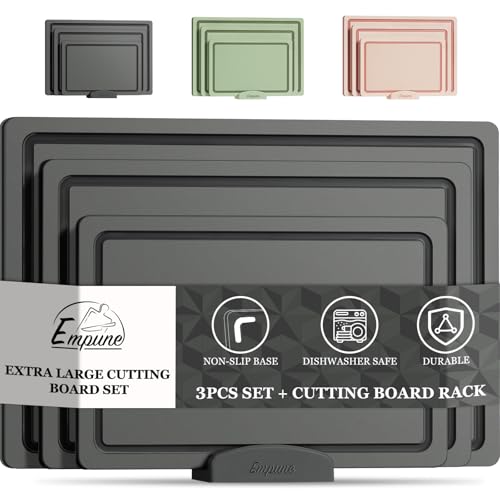
This set includes three plastic cutting boards made from recycled plastic, designed to meet different kitchen tasks. The boards come with a rack for upright storage to save counter space and promote airflow for faster drying. Each board features a deep juice groove to catch juices, helping prevent spills during meal prep. The varying sizes—12 x 8 inches, 14 x 10 inches, and 16 x 11.2 inches—provide flexibility for small or large chopping jobs. The nonporous surface supports easy cleaning and sanitization between uses.
Plastic cutting boards in recycled formulations can be a practical choice for households that prioritize affordability, dishwasher compatibility, and easy maintenance. They are widely available and easy to replace, though they may show scratches over time that can harbor bacteria if not cleaned properly. Separate boards for raw proteins and ready-to-eat produce are still recommended to minimize cross-contamination, particularly in homes with frequent raw meat handling.
Buying Guide
Material matters for durability, knife care, and safety. Here are key purchase considerations to help you choose the best board for your kitchen tasks.
- Material and safety: Plastic boards (polypropylene and other recycled plastics) are typically dishwasher-safe and easy to sanitize, but may scratch and show grooves that trap bacteria if not cleaned regularly. Bamboo and wheat straw are durable, knife-friendly, and offer a more eco-friendly profile, though some require hand washing or careful drying to avoid warping. Titanium surfaces are exceptionally hard and durable, with two-sided designs that separate raw meats from produce; however, they may be heavier and require more maintenance to prevent residue buildup on the non-titanium side.
- Blade friendliness: Softer materials tend to be gentler on knives, reducing dulling. Bamboo and wheat straw boards are generally gentler than hard plastics or glass, while titanium surfaces withstand heavy use but may be harder to clean thoroughly if not cared for properly.
- Cross-contamination and task separation: For households handling meat, seafood, and produce, consider color coding or using separate boards for raw proteins versus vegetables. Dual-surface boards or sets offer convenient task separation, helping minimize cross-contamination across food types.
- Maintenance and care: Plastic boards are easy to sanitize but can retain odors or stains if not cleaned promptly. Bamboo and wood require occasional oiling and drying to prevent cracking or warping, and may not be dishwasher-safe in all cases. Wheat straw boards require proper care to maintain surface integrity and hygiene. Titanium boards are easy to clean but require attention to both sides to avoid residue transfer.
- Size and storage: Larger boards provide ample cutting space for meal prep, while smaller boards are convenient for quick tasks and compact kitchens. Sets with multiple sizes or racks help keep surfaces organized and dry between uses.
- Environmental impact and cost: Eco-friendly materials like bamboo and wheat straw generally have lower environmental footprints than traditional plastics. Titanium boards tend to carry higher upfront costs but offer long-lasting performance. Consider your budget, cleaning preferences, and environmental priorities when choosing a material.
- Dishwasher compatibility: If you prefer dishwasher-safe options, plastic boards are the most common choice. Bamboo and bamboo-derived boards often require hand washing to maintain surface integrity. Always check manufacturer guidance for your chosen board to avoid damage.
| Material | Durability | Knife-Friendliness | Maintenance | Best For | Considerations |
|---|---|---|---|---|---|
| Plastic (Polypropylene) | High; scratch-prone | Moderate to good | Dishwasher safe; easy to sanitize | Everyday prep; multi-purpose | Potential odor retention; habit of cross-contamination if not cleaned well |
| Bamboo | High; resists warping with proper care | Excellent; gentle on knives | Hand wash recommended; occasional oiling | Natural look; durable and knife-friendly | Can crack if over-dried or soaked; not all are dishwasher-safe |
| Wheat Straw | Good; balanced between durability and care | Good; knife-friendly surface | Hand wash; air dry | Eco-conscious; safe for foods | May show wear; surface quality depends on processing |
| Titanium & Wheat Straw (Dual surface) | Very high (titanium) | Excellent on titanium side; wheat straw on other | Easy to clean; follow dual-surface care | Heavy-duty prep; cross-contamination control | Higher cost; heavier; manage cleaning on two surfaces |
| Recycled Plastic (Set) | Moderate; durable with maintenance | Good | Dishwasher safe (check label); easy to sanitize | Value and versatility; multiple sizes | Scratches can harbor bacteria if not cleaned well |
When selecting a board, consider your most frequent tasks (meat-heavy prep vs. produce), available cleaning methods, and how much space you have for storage. For many households, a combination approach works best: a durable, knife-friendly option (such as bamboo or wheat straw) for produce and a dedicated, dishwasher-safe plastic board for raw meats, with a separate board for fish to further minimize cross-contamination risk. If you want a long-term investment that reduces blade wear and supports a modern kitchen aesthetic, a titanium-based dual-surface board is a compelling option, albeit a higher upfront cost.