Finding a reliable 110-volt window air conditioner that fits your space, energy needs, and smart-home setup can be challenging. This guide selects five top 110V window units, balancing cooling power, energy efficiency, noise, and convenience. All units below are designed for standard US 110-120V outlets, with many offering inverter or Energy Star-rated efficiency and app or voice-control options for modern homes.
| Product | Brand | BTU | Top Feature |
|---|---|---|---|
| Midea 8000 BTU Smart Inverter Window AC | Midea | 8000 | Heat mode and energy savings |
| Midea 10000 BTU U‑Shaped Smart Inverter Window AC | Midea | 10000 | Ultra-quiet with open-window flexibility |
| TROPOW 6000 BTU Window AC | TROPOW | 6000 | Smart app control and dehumidify |
| GE Window AC 5000 BTU | GE | 5000 | Easy install kit and small-room efficiency |
| Electactic 12000 BTU U‑Shaped Window AC | Electactic | 12000 | U‑shaped design with six modes |
Midea 8000 BTU Smart Inverter Window AC With Heat

This 8000 BTU unit cools rooms up to 350 square feet and also provides supplemental heat for shoulder seasons. It uses inverter technology to deliver energy savings of up to 35% compared with traditional window units, while maintaining strong cooling performance. The AC includes five modes (Heat, Auto, Cool, Dry, Fan), three speeds, a 24-hour timer, and an ECO energy saver. A front LED display, washable filter, and adjustable louvers direct airflow. Wireless control via the SmartHome App enables remote operation, and compatible voice control with Alexa and Google Assistant adds convenience for busy households. The heat function operates when outdoor temperatures exceed about 41°F.
Key specifications include Energy Star certification and a compact design suitable for larger bedrooms or condos. The unit ships with a washable filter for easy maintenance. Overall, this model emphasizes efficiency and smart integration while delivering reliable year-round comfort.
Midea 10000 BTU U‑Shaped Smart Inverter Window AC

This 10,000 BTU U‑shaped window air conditioner is designed to cool up to about 450 square feet with a focus on quiet operation and flexible installation. The U‑shaped design helps block outdoor noise and reduces vibration, delivering a calmer indoor environment. The inverter-based system provides significant energy savings—over 35% compared with traditional units—and the unit is ENERGY STAR certified. Smart control is built in via Wi‑Fi, allowing control from the SmartHome app and voice commands through Alexa or Google Assistant. It’s a strong choice for larger rooms in homes that favor quiet cooling with modern connectivity.
Expect features like a low-noise operation profile (as part of the U‑shape design), electronic control panel, and standard remote control. The unit supports eco-friendly refrigerant and promises efficient comfort throughout warm seasons while remaining mindful of energy use.
TROPOW 6000 BTU Window AC
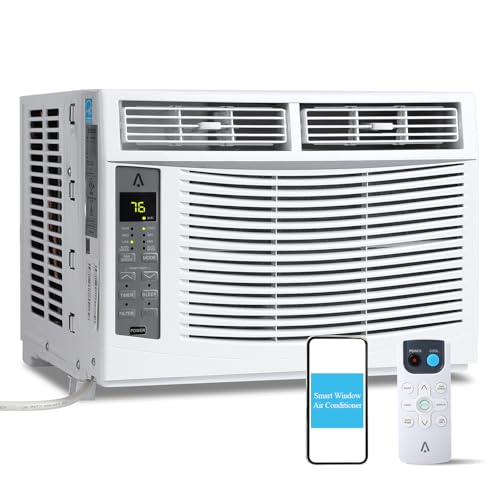
The TROPOW 6000 BTU window air conditioner is engineered for spaces up to about 250 square feet, making it well-suited for bedrooms, home offices, and compact living areas. It emphasizes quiet cooling performance and comes with smart capabilities, including app control and compatibility with voice assistants like Alexa and Google Assistant. The unit includes a remote for convenient operation and multiple fan speeds. It also features a built-in dehumidification mode to help manage humidity, which can improve perceived cooling and comfort in damp environments. An installation kit and window kit are included for easier setup.
With 110-115V operation, this model balances solid cooling power with efficiency and modern control options. It’s a practical option when you want a straightforward, low-noise window unit with smart features in a mid-sized room.
GE Window Air Conditioner 5000 BTU

The GE 5000 BTU window AC is a compact solution designed for small rooms up to 150 square feet. It includes an easy-install kit and manual adjustable fan settings to tailor cooling to your space. The model emphasizes low-noise operation, helping maintain a more comfortable environment during night-time cooling. While straightforward, GE’s unit offers dependable performance for bedrooms, home offices, or guest rooms where space is tight and simplicity matters. This is a solid choice when you want reliable, no-frills cooling with easy setup on a 110V circuit.
Electactic 12000 BTU U‑Shaped Window AC

This 12,000 BTU window air conditioner is designed for larger rooms or open spaces up to about 550 square feet. It uses a U‑shaped design to minimize the visible footprint and maximize window view, with a notable noise reduction profile (around 45 dB) thanks to placing the compressor outside the living area. The unit offers six modes (Cool, Dry, Auto, Sleep, Energy Saver, and Fan) and four-way airflow, providing flexible climate control across seasons. It emphasizes energy efficiency with a CEER rating around 10.5 and includes a full installation kit for easier setup. This unit is ideal for big spaces seeking quiet operation and versatile mode options.
Buying Guide: Key Purchase Considerations for 110V Window ACs
Room Size and BTU Matching
Choosing the right BTU rating is essential for efficient cooling. Too small a unit will struggle in hot weather, while an oversized unit may short-cycle and waste energy. For typical bedrooms and living spaces, 6000–8000 BTU units are common, with 9000–12000 BTU options for larger rooms or open-plan areas. Consider ceiling height, sun exposure, and insulation when estimating needed capacity.
Energy Efficiency: Inverter vs. Conventional
Inverter models adjust compressor speed to meet demand, delivering steady cooling and typically using less energy. Non-inverter units run at full speed until the set temperature is reached. If you prioritize long-term savings and quieter operation, inverter-based units (often labeled Energy Star) are worth the extra initial cost.
Voltage and Electrical Compatibility
Most US window ACs operate on standard 110–120V circuits. Always confirm the unit’s voltage requirements and ensure your outlet and circuit can handle the startup current. If your space has older wiring or limited electrical capacity, choose a model with energy-saving modes and a lower peak draw.
Noise Levels and Comfort
Noise is a major factor for bedrooms and study areas. Look for decibel (dB) ratings and design features that reduce sound, such as advanced compressor placement or open-window designs. U‑shaped or specially engineered housings often deliver quieter operation, especially at night.
Smart Features and Controls
Smart control via mobile apps, voice assistants, and remote operation adds convenience but can also increase price. If you value remote scheduling, energy monitoring, and compatibility with Alexa or Google Assistant, prioritize models with robust app performance and reliable Wi‑Fi connectivity.
Dehumidification and Seasonal Use
Many window units include dehumidification modes that remove moisture from the air, improving comfort in humid climates. If humidity is a concern, consider units with dry mode and effective moisture removal capabilities in addition to cooling.
Installation and Fit
Window dimensions, sash height, and any required mounting hardware influence installation. Some models include complete window kits, while others may require additional parts. Always measure your window space and review the installation manual before purchase to ensure a proper fit.
Maintenance and Filter Access
Filters should be easy to access for regular cleaning to maintain efficiency. Look for front-facing, reusable filters and straightforward maintenance routines to keep performance high without frequent professional servicing.
Cost of Ownership
Beyond upfront price, calculate expected energy costs based on BTU capacity, efficiency rating, and usage patterns. Inverter models and Energy Star certified units typically offer lower operating costs over time, especially in hot climates or year-round usage.
In summary, the right 110V window air conditioner should balance room size, efficiency, noise, and smart features with your budget. The five units reviewed here offer varied combinations of these factors, enabling you to choose a model that aligns with how you live and how you use your space.