Clear answers for shoppers seeking durable, high-temperature paints that protect and refresh metal fire features. This guide highlights five top options suited to different needs—whether you’re restoring an old fire pit, refreshing a brick fireplace, or coating stove parts. Each option is chosen for heat tolerance, adhesion, and practical use around high temps, with guidance on the best buyer fit and potential cautions. Ideal for DIYers, homeowners updating outdoor pits, or enthusiasts maintaining wood stoves and fireplaces.
| Product | Best For | Notes |
|---|---|---|
| Polar BBQ & Stove Spray Paint | Stoves, fire pits, and metal surfaces | Up to 1200°F, primer-and-topcoat in one |
| Giani Brick Transformations Whitewash | Brick fireplaces and brick surfaces | Water-based, low odor, covers brick |
| Stove Bright High Temp Paint Rich Brown | Wood stoves, grills, and fireplaces | 1200°F, satin finish |
| Rutland High Temperature Fireplace Paint | Fireplaces, stoves, brick and metal | Flat black, adheres to most metals |
| Flamecheck M-111PA Fire Retardant Additive | Enhancing latex paints with fire retardant | Non-toxic, adds flame retardant properties |
Note: This article focuses on high-temperature coatings designed for metal or brick surfaces near heat sources. Do not apply paints directly to surfaces exposed to sustained open flames unless the product data explicitly allows it.
Polar BBQ & Stove Spray Paint – Matte Black
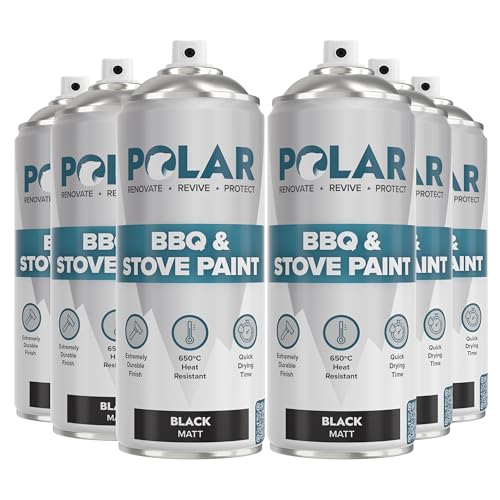
Best For: Restoring stoves, grills, fire pits, and metal surfaces that require a durable, heat-resistant finish. This paint accepts direct application to rusty metal, serving as primer, undercoat, and topcoat in one. Suitable for both indoor and outdoor use where temperatures can spike near 1200°F structural limits.
Why selected: It offers high temperature resistance (up to 1200°F), strong adhesion to bare and coated ferrous metals, and excellent coverage for revitalizing metal wear and tear around heating appliances.
Caution: Do not apply to areas directly exposed to flames. Consider testing on a small area first to confirm adhesion on your specific surface.
Giani Brick Transformations Whitewash

Best For: Brick fireplaces and brick surrounds where a refreshed, lighter brick look is desired. This whitewash paint is water-based and designed for brick surfaces, offering a safe, low-odor option for interior spaces.
Why selected: It’s specifically formulated for brick surfaces, enabling a brick-by-brick aesthetic update without heavy coatings. It can help brighten dark brick and create a modern fireplace look.
Limitation: Requires dilution at least 1:2 with water for full coverage and may be better suited to brick rather than metal components near heat sources.
Stove Bright High Temp Paint Rich Brown

Best For: Wood stoves, ovens, grills, and fire pits where a warm, brown metallic satin finish is preferred. It’s formulated to endure high heat while preserving color and sheen.
Why selected: This paint is engineered to withstand 1200°F and offers a durable, satin finish with silicone-enhanced protection against surface damage, improving long-term appearance of heat-exposed metal.
Limitation: For best indoor results, pair with Stove Bright prep/cleaner; outdoor durability may benefit from a compatible primer.
Rutland High Temperature Fireplace Paint

Best For: Fireplace components, wood stoves, and metal surfaces inside and around fire zones that require a flat black, protective coating. It adheres well to steel, cast iron, aluminum, brick, and more.
Why selected: A trusted, flat black high-temperature paint that strengthens appearance and protection on metal and brick surfaces near heat sources, suitable for large areas like lining and firebox exteriors.
Caution: Not intended for surfaces that contact food; check substrate compatibility before use on non-standard metal composites.
Flamecheck M-111PA Fire Retardant Additive
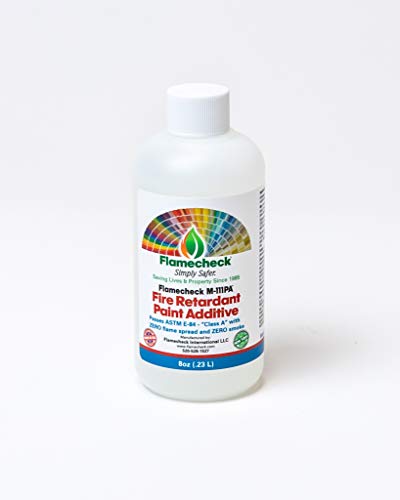
Best For: Enhancing latex paints with a fire retardant property for interiors or exteriors near heat exposure. This additive is non-toxic and convenient for builders or homeowners seeking added safety in paint projects around stoves and fireplaces.
Why selected: It integrates with standard latex paints to improve flame retardancy, offering an extra layer of protection in high-heat environments.
Caution: It is an additive, not a standalone paint. Follow mixing directions precisely to ensure effectiveness and maintain paint performance.
Buying Guide: Key Considerations For Fire Pit And Fireplace Coatings
What heat range is required? Choose coatings rated to at least 1200°F (650°C) for metal components near direct heat, such as fire pits and stoves. For brick surfaces near heat, consider products designed specifically for brick, as these can expand and adhere differently than metal.
Is the surface metal, brick, or a combination? Metal-focused paints deliver durability on steel or cast iron, while brick-focused products are better for masonry surfaces. Some products offer multi-surface compatibility but verify adhesion and safety around heat sources.
Do you need primer in a single product? Some high-temperature paints act as primer, undercoat, and topcoat in one, saving time on prep. Others require a separate primer for optimal adhesion, especially on rusty or aged surfaces.
Indoor vs outdoor use: Indoor spaces may benefit from low-odor formulas. Outdoor environments require UV stability and weather resistance. Check product data for recommended use cases to avoid premature wear or color fading.
Application method and curing: Sprays provide easy coverage and even coats for stoves and grills, but some areas may require brushing or rolling for brick or large surfaces. Curing times vary; follow manufacturer guidance to avoid blemishes and ensure maximum durability.
Frequently Asked Questions
- Can I use high-temperature paint directly on flames? No. Most max-temp paints are not designed for direct exposure to flames; follow product guidelines to apply only to surfaces adjacent to heat.
- Is a primer necessary for rusty surfaces? Some products act as both primer and topcoat, while others require a dedicated primer for best adhesion on rusty metal.
- Are these paints safe for indoor use around pets and kids? Look for low-odor formulations and fire-safe additives; some products are marketed as safer for indoor use, but always ventilate the area during application.
- Will brick whitewash cover existing paint on brick? Brick-specific products may be required for best adhesion and coverage on brick surfaces; test on a small area first.
- Do fire retardant additives replace the need for high-temperature paint? They add an extra safety layer but are not substitutes for high-temperature coatings on metal surfaces exposed to intense heat.
- How should I choose between brown satin and flat black finishes? Brown satin offers a warmer look and slight sheen; flat black can hide minor surface imperfections and provide a classic look for stoves and pits.