Whether you’re updating a home piping system, extending hot or cold water lines, or installing radiant floor heating, 1/2″ PEX pipe is a versatile choice. This guide highlights five well-suited options built for reliability, simple installation, and durability. The top picks target different needs: from long runs with fewer fittings to flexible, cold-weather resilience. The summary table below helps you compare which pipe best fits your project and environment.
| Product | Length | Type | Best For |
|---|---|---|---|
| SharkBite 1/2″ Blue PEX-B | 100 ft | PEX-B | Long runs with fewer connections |
| SharkBite 1/2″ White PEX-B | 100 ft | PEX-B | Cold climates and burial-ready setups |
| VEVOR 1/2″ 300 ft PEX-B | 300 ft | PEX-B Non-Oxygen | Budget-friendly long runs |
| EFIELD 1/2″ 2×100 ft PEX-B | 200 ft total | PEX-B | Blue+Red for hot/cold zoning |
| Likeem 1/2″ 2 Rolls PEX | 200 ft total | PEX-B Non-Oxygen | Two-roll flexibility, easy one-person install |
SharkBite 1/2 Inch x 100 Feet Blue PEX-B

Best for longer runs with fewer joints, this SharkBite blue PEX-B pipe is designed for hot and cold potable water distribution with push-to-connect ease. It offers freeze resistance and high chlorine tolerance, reducing maintenance concerns in residential or light municipal use. This option is ideal for projects needing extended lengths without frequent connections.
Who it’s best for: Homeowners or contractors planning longer runs where fittings and leak points matter. Why selected: It combines the SharkBite push-to-connect convenience with a long coil, lowering installation time on sizeable layouts.
Caution: PEX planning should consider freezing exposure in unheated areas; ensure routes stay within recommended temperature and UV limits.
SharkBite 1/2 Inch x 100 Feet White PEX-B

This white PEX-B pipe from SharkBite emphasizes similar benefits to its blue counterpart, with a focus on versatile cold-to-hot service and burial-friendly flexibility. The white color can help differentiate hot vs. cold lines in complex installations. It maintains durability and UV resistance for short-term outdoor exposure.
Who it’s best for: Projects requiring distinct color coding for cold or general potable water lines. Why selected: It offers the same quick-connect benefits with a neutral color suitable for various indoor and outdoor uses.
Caution: For long-term outdoor exposure, verify UV exposure tolerance and local code compliance for buried installations.
VEVOR PEX Pipe 1/2″ 300 Feet Non-Oxygen Barrier
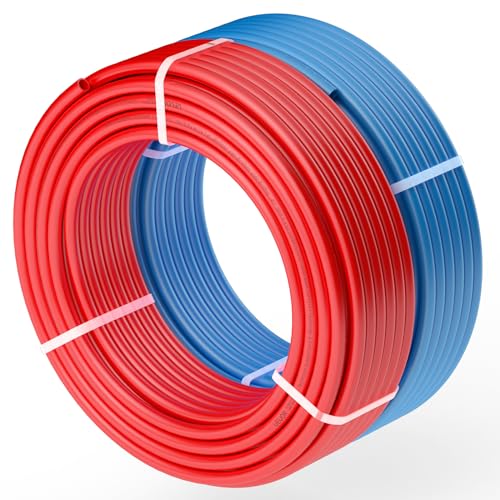
This 300-foot non-oxygen barrier PEX-B is designed for cold and hot water applications with broad temperature tolerance. It highlights impressive flexibility and resistance to freezing and bursting, making it a solid all-around choice for varied climates and longer residential runs.
Who it’s best for: Budget-conscious projects needing substantial coil length without frequent splices. Why selected: The long coil reduces seam points and supports easier routing in larger homes.
Caution: Check local codes for non-oxygen barrier suitability in your system, and ensure compatible fittings for your connections.
SharkBite 1/2 Inch x 100 Feet White PEX-B

This white SharkBite PEX-B offers the same freeze-resistance and UV durability as its blue version, with the added benefit of color-coding to organize supply lines. It is well-suited for systems requiring flexible routing with fewer fittings and strong resistance to chlorine.
Who it’s best for: Projects that benefit from color-coded piping for easier maintenance. Why selected: It provides reliable expansion properties and compatibility with common PEX fittings.
Caution: For burial or exterior installs, confirm capacity to endure local soil conditions and moisture exposure over time.
SharkBite U860W25 White PEX-B Pipe 25 Ft

This shorter option is ideal for tight spaces or maintenance runs where a compact length is beneficial. It continues SharkBite’s push-to-connect advantage, with adequate flexibility to navigate corners without elbows and suitability for direct burial in some cases.
Who it’s best for: Small-scale upgrades, repair work, or confined installations. Why selected: It provides reliable performance in limited-distance projects with quick installation.
Caution: Limitations in length may require more joints for larger layouts, which can introduce additional leak points if not properly installed.
VEVOR PEX Pipe 1/2″ 300 Feet Non-Oxygen Barrier (Blue)

This blue coil is designed for universal potable water applications with broad temperature support and robust leak resistance. It stands out for users who want a straightforward one-pipe solution for multiple fixtures without frequent replacements of fittings.
Who it’s best for: New installations or renovations requiring a cost-effective, flexible PEX-B pipe in longer runs. Why selected: The long coil minimizes assembly points while maintaining reliable performance under typical home conditions.
Caution: Verify that the non-oxygen barrier is appropriate for your system’s design and protective measures.
Buying Guide: Choosing The Right 1/2″ PEX Pipe
What to consider before buying
- Pipe type: PEX-A, PEX-B, and Non-Oxygen Barrier PEX have different production methods and performance traits. Choose based on expected pressure, temperature, and system design.
- Length and coil vs. straight runs: Longer coils reduce fittings but may be harder to maneuver in tight spaces. Plan your layout to minimize joints.
- Temperature and pressure ratings: Ensure the pipe is rated for your hot water temperatures and local pressure conditions. Some products list psi ratings at specific temperatures.
- Color coding: Blue for cold and red for hot is common. White or neutral colors can help with visibility in mixed installations.
- Compatibility: Check which fittings and expansion methods (crimp, push-to-connect, or expansion) the pipe supports.
Which features matter most for your project?
- Flexibility: Higher flexibility reduces the need for elbows and short-radius bends, lowering leak risk.
- Freeze resistance: Pipes should withstand winter conditions in unheated spaces if exposed outdoors or in basements.
- UV resistance: Outdoor exposure requires UV-resistant materials or protection from sunlight.
- Durability under pressure: Realistic home water pressures vary; select pipes with adequate psi ratings at your operating temperatures.
Installation perspectives
- DIY-friendly options: Push-to-connect and hot/cold flexible PEX generally offer faster installation for beginners.
- Professional-grade considerations: Some projects benefit from blue/red color coding to differentiate hot and cold lines and reduce mistakes during maintenance.
FAQs
- What is the difference between PEX-A and PEX-B?
PEX-A uses a smoother inner bore and expansion-based fittings; PEX-B is generally less expensive and widely compatible with crimp and push-to-connect fittings. - Can I bury PEX pipe under concrete?
Yes, several PEX types are certified for burial and direct burial in concrete, but verify product specs and local code requirements. - Is blue or white PEX better for hot water lines?
Color is typically cosmetic, but many installers color-code hot (red) and cold (blue). White can be used for neutral or general runs. - What length should I buy for a long run?
Choose coils that minimize joints for your layout. Larger homes benefit from longer coils to reduce leak points, but consider installation space and flexibility. - Are there any safety concerns with PEX in freezing climates?
PEX pipes expand and contract with temperature; ensure routing avoids sharp bends and follows manufacturer bend-radius guidelines to prevent cracking. - Do all PEX pipes require special tools to install?
Most options use common fittings: crimp, push-to-connect, or expansion tools. Verify which method your chosen pipe supports and have the appropriate tools ready.