Choosing the right bed surface is essential for consistent adhesion, easy model removal, and successful prints on a variety of FDM machines. The following selections emphasize magnetic, glass, and PEI-coated build plates designed to fit popular Ender and Creality models. This guide compares magnetic setups, tempered glass beds, and flexible PEI options to help you pick a surface that matches your printer, filament types, and workflow.
The overview below highlights five standout options, each with its own strengths. Use the quick-reference table to compare key aspects at a glance, then read detailed product sections for in-depth specs and practical tips.
| Product | Brand | Surface Type | ||
|---|---|---|---|---|
| Creality Original Ultra Removable Magnetic Bed Cover (235x235mm) | Comgrow | Magnetic removable surface | Ender 3 / Ender 3 Pro / Ender 3 V2 / Ender 5 Pro | Hassle-free model removal |
| 2PCS Creality Original Ultra Removable Magnetic Bed Covers (235x235mm) | Comgrow | Magnetic removable surface | Ender 3 / Ender 3 Pro / Ender 3 V2 / Ender 5 Pro | Multiple prints; replacement convenience |
| UNIDO Creality Official Ender 3 Glass Bed (235x235x4mm) | UNIDO | Tempered glass bed | Ender 3 Pro / Ender 5 / Ender 5 Pro / Ender 3 V2 | Excellent flatness and durability |
| Mefine Ender 3 Glass Bed Upgraded (235x235x4mm) | Mefine | Tempered glass with coating | Ender 3 / Ender 3 Pro / Ender 3 V2 / Ender 3 Neo | Strong adhesion with easy removal |
| Comgrow PEI Sheet Magnetic Flexible Bed (235x235mm) | Comgrow | PEI sheet on flexible steel with magnets | Ender 3 / Ender 3 Pro / Ender 3 V2 / Ender 3 Neo | Flexible removal; broad compatibility |
Creality Original Ultra Removable Magnetic Bed Cover
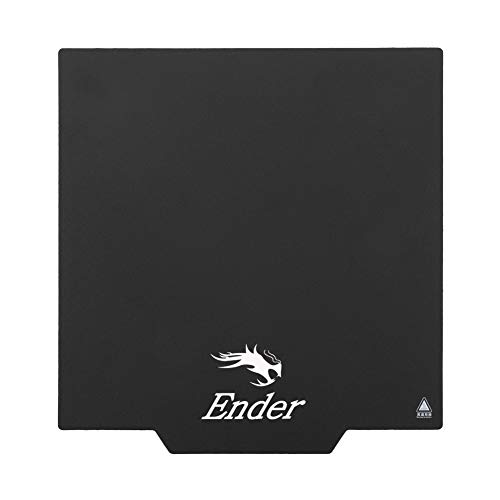
This magnetic surface is designed to sit atop the heated bed, enabling quick model removal after printing. The kit includes a bottom magnetic layer and a top flexible plate that attaches securely to the bed. Users should align the magnetic direction prior to installation, and ensure the surface is fully adsorbed before use. Once in place, prints can be released by flexing the upper layer, minimizing the need for tools or scraping. The 235x235mm footprint covers common Ender models, including Ender 3, Ender 3 Pro, Ender 3 V2, Ender 5 Pro, and compatible variants.
Key considerations: ensure proper orientation during installation; heat cycles may affect adhesion over time. The surface is designed for repeated use, with attention to preventing delamination by checking the alignment before bonding the bottom part to the hot bed. This option favors ease of removal and quick swaps between prints, especially beneficial for multi-material runs where post-processing time matters.
2PCS Creality Original Ultra Removable Magnetic Bed Covers

This package provides two magnetic removable bed covers, offering redundancy for busy workflows or multiple printers. The top layer remains flexible for easy removal, while the bottom magnet adheres to the heated bed. Features emphasize a magnetically secured build surface that reduces the effort required to release prints. A recommended practice is to heat the bed modestly for 2-3 minutes before attempting removal, which can help prevent stress on the surface during detachment.
The kit also reiterates correct orientation prior to installation to prevent misalignment. It is well-suited for users who want a quick swap between prints without replacing the entire bed assembly. The magnetic approach minimizes the risk of damaging the glass or build plate during model removal, making it a practical option for frequent use and varied filaments.
UNIDO Creality Ender 3 Glass Bed Upgrade

Tempered glass beds are popular for their flatness and smooth surface. This 235x235mm glass plate, 4mm thick, is designed for Ender 3 Pro, Ender 5, Ender 5 Pro, and Ender 3 V2 families. The glass surface provides excellent uniform heat distribution, aiding adhesion while offering easy cleanup. Some users appreciate the simpler removal when combined with a suitable adhesion promoter, while others prefer to use clips or a dedicated magnetic bed adapter for secure mounting.
Important notes include ensuring the bed is clean before installation and verifying the glass is firmly seated to avoid edge warping during high-temperature operations. Glass beds are compatible with a wide range of materials but may require varied adhesion methods depending on filament type and printing temperature. This option emphasizes durability and repeatable flatness across print cycles.
Mefine Ender 3 Glass Bed Upgraded

This tempered glass bed is designed for multiple Ender models, including Ender 3, Ender 3 Pro, Ender 3 V2, and Ender 5 platforms, with a 235x235mm footprint and 4mm thickness. The coating enables strong adhesion during heating, reducing edge curling, and the glass surface typically allows easier print removal compared with some traditional beds. The product details note compatibility with Ender-3 S1/Ender-3 S1 Pro when certain bed adjustments are made, such as removing specific screws. Included hardware like clips helps secure the bed firmly during operation.
Using a glass bed often means frequent cleaning and calibration to maintain optimal first-layer adhesion. The surface is well-suited for users who print with PLI or PLA and want a consistent, hard surface that resists warping. If you print with ABS, consider enclosure and temperature control to prevent warping and improve adhesion effectiveness.
DOBSTFY 3D Printing Build Surface (4-Pack)

This set provides four build surface sheets with a strong 3M adhesive backing, designed to fit 235x235mm heated beds and can be cut to fit other sizes. The sheets tolerate temperatures up to 240°C, making them compatible with a variety of filaments and printer models. They offer a cost-effective alternative to PEI or glass while still delivering reliable adhesion and easy removal after cooling. The flexibility of a removable sheet reduces wear on the underlying bed and allows quick swaps if a surface wears out.
Considerations include ensuring cuts are clean for a perfect fit and confirming the printed layer adheres properly before cooling. These sheets are particularly appealing to users seeking a simple upgrade without changing the entire build plate assembly. They pair well with a variety of filaments, though calibration and test prints are advised when changing to a new build surface.
3D Printer Adhesive Spray for First Layer
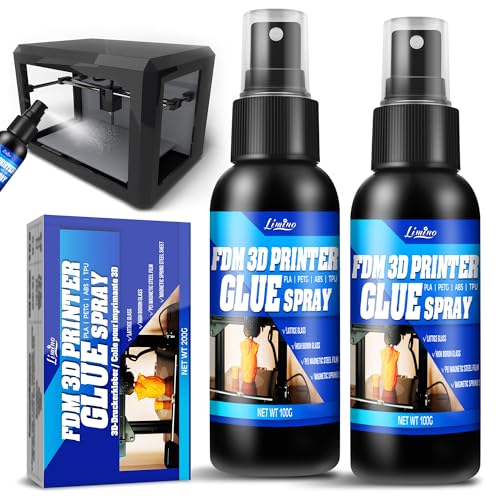
This spray adhesive is formulated to improve initial layer adhesion on heated beds for a variety of materials, including PLA, ABS, PETG, and TPU. The product is designed to minimize warping and provide a stable first layer, reducing print failures due to poor adhesion. The package typically includes multiple bottles for extended use and is suitable for glass, PEI, BuildTak, and other build plates. It can be a practical complement to any surface that requires a little extra grip, especially on larger builds or difficult-to-print filaments.
Usage guidance includes applying a light, even coat to the bed surface before printing and allowing it to dry for a few seconds. Avoid excessive application, which can cause residue buildup or smoky fumes at high temperatures. This option offers a supplementary approach to adhesion management when switching between materials or film coatings.
Official Ender 3 V2 Heated Bed Replacement

This replacement hot bed for Ender 3 and related models combines a 24V DC power design with a 235x235mm aluminum platform. The 220W rating delivers reliable heating performance across print areas, supporting stable temperatures for a consistent first layer. The aluminum frame provides strength, while the fixed connections and mounting points simplify installation. This option is ideal for users seeking a robust, stock-compatible bed that aligns with Creality’s official components for predictable results and straightforward maintenance.
Practical considerations include ensuring electrical compatibility with your power supply, confirming the correct bed dimension for your printer, and verifying cable routing to prevent bending or heat-related wear. This bed suits users who prefer an authentic upgrade path with predictable behavior and official support channels.
Comgrow PEI Sheet Magnetic Flexible Bed (235x235mm)

This PEI sheet on flexible spring steel magnets offers a versatile bed surface compatible with Ender 3, Ender 3 Pro, Ender 3 V2, Ender 3 Neo, Ender 3 Neo, and more. The surface can be cut to fit various build volumes, enabling broad applicability across different printers. The PEI coating delivers strong adhesion for PLA, ABS, PETG, and other materials, with the flexibility facilitating easy print removal once cooled. Mounting magnetism ensures quick swaps and reduces the risk of damaging the underlying bed during model release.
Important considerations include surface thickness, magnet strength, and the suitability of PEI adhesion for your filament preferences. Regular cleaning helps maintain adhesion, and occasional resealing or re-coating can extend surface life. This product combines durability with ease of use, making it a popular choice for multi-printer setups or evolving build sizes.
Buying Guide: Key Purchase Considerations and Comparisons
When selecting a bed surface for a 3D printer, consider adhesion needs, removal ease, compatibility, and maintenance requirements. Magnetic systems excel for rapid model removal and quick swaps between builds. Glass beds provide excellent flatness and temperature stability but may require clips or magnets to secure them firmly. PEI-coated sheets deliver reliable adhesion for many filaments with the added benefit of flexibility and easy removal.
Compatibility is critical. Check the bed size (235x235mm is common for Creality Ender series) and ensure the surface matches your printer’s heated bed. Filament choice matters as well: PLA prints well on many surfaces, while ABS and PETG may require higher bed temperatures or specific adhesion strategies to prevent warping. For multi-material workflows, consider a surface that allows rapid removal without damaging the underlying bed or print surface.
Durability and maintenance are also important. Magnetic coverings reduce wear on the heated bed and are suitable for frequent print changes, but magnets can degrade over time with repeated heating cycles. Glass beds are robust but can be heavier and require careful handling. PEI surfaces typically last long and resist staining, yet may require occasional cleaning with mild cleaners to maintain adhesion quality. Evaluate your budget, printer model, and typical filament lineup to pick a surface that lowers your print failures and maintenance time.
In summary, choose a bed that balances adhesion strength, ease of removal, and compatibility with your printer family. Magnetic systems offer speed and convenience, glass beds emphasize flatness and durability, and PEI surfaces provide reliable adhesion across many filaments with flexible removal. Each option has trade-offs, so assess your print repertoire, enclosure setup, and workflow to select the best bed surface for your 3D printer ecosystem.