Choosing an effective bed bug killer involves evaluating active ingredients, residual protection, and safety for homes with children and pets. The following selections represent proven options across multiple formulations and brands, designed to tackle bed bugs, eggs, and even resistant strains. This guide highlights practical uses, safety notes, and what to expect from each product in real-world environments.
| Product | Brand | Key Benefit |
|---|---|---|
| Ortho Home Defense Max Bed Bug, Flea & Tick Killer | Ortho | Kills bed bugs and eggs; effective indoors |
| EcoVenger Bed Bug Killer | EcoVenger | Plant-based, kills all life stages; non-toxic |
| MGK Crossfire Bed Bug Concentrate | MGK | Kills pyrethroid-resistant strains; fast knockdown |
| Harris Toughest Bed Bug Killer | HARRIS | Extended residual protection up to weeks |
| Hot Shot Ready-to-Use Bed Bug Killer | HOT SHOT | Egg kill formula; non-staining |
Introduction continues: This article compares five well-regarded bed bug products, focusing on effectiveness, safety, and usage tips for American households. Each entry includes concise details drawn from product features to help you decide which solution aligns with your space and needs. The buying guide at the end offers practical considerations to help you compare formulas, application methods, and safety profiles.
Ortho Home Defense Max Bed Bug Spray

Ortho’s bed bug-focused formula targets bed bugs, bed bug eggs, fleas, and ticks. The Comfort Wand enables spot treatments around bed frames, baseboards, and mattress seams. It is described as capable of addressing pyrethroid-resistant bed bugs, making it suitable for cluttered or high-traffic rooms where infestations persist. Use primarily for localized areas where bed bugs congregate, such as seams and tufts. The product emphasizes quick, direct contact kill and residual protection where applied.
EcoVenger Bed Bug Killer
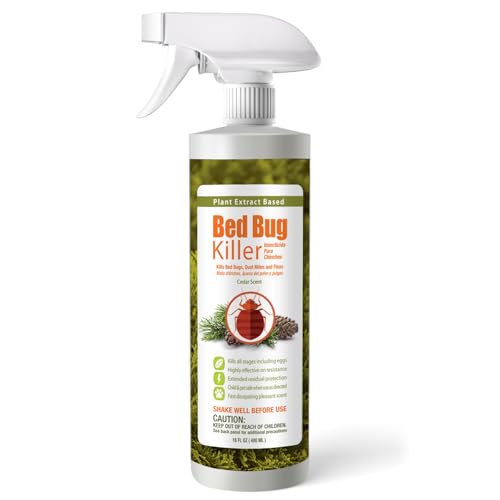
EcoVenger uses a patented botanical blend designed to kill bed bugs and mites, including eggs and resistant forms. It carries USDA bio-certification and is marketed as plant-powered and non-toxic. Field-tested by researchers, it’s promoted for sensitive environments like public housing. Its emphasis on plant-based chemistry aims to minimize harsh chemical exposure while delivering comprehensive kill coverage across bed bug life stages.
MGK Crossfire Bed Bug Concentrate

CrossFire uses a patented formula with two active ingredients and a synergist to kill pyrethroid-resistant bed bug strains at all life stages, including eggs. It is designed for quick knockdown and is non-staining, suitable for direct application onto mattresses and other indoor surfaces. This product targets professional or semi-professional users needing robust control with rapid results.
Harris Toughest Bed Bug Killer

Harris Toughest features an odorless, non-staining extended residual formula designed to kill bed bugs, eggs, and pyrethroid-resistant strains. The product emphasizes long-term control, offering protection for weeks after treatment. It is positioned for both immediate knockdown and ongoing prevention, making it a solid option for rooms with ongoing risk of reinfestation.
Hot Shot Ready-to-Use Bed Bug Killer Spray
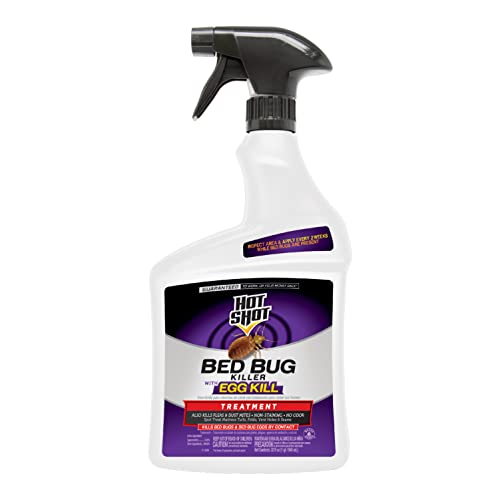
Hot Shot offers a ready-to-use formula that targets bed bugs and bed bug eggs, with additional claims against fleas and dust mites. The water-based solution is described as non-staining with a low odor, making it suitable for indoor use on bedding, seams, and mattress folds. The ease of use is a key selling point for quick, targeted treatments in bedrooms and other sleeping areas.
Premo Guard Bed Bug Killer Spray

Premo Guard emphasizes natural ingredients with a scent-free, stain-free formula. It is marketed for use throughout the home, including bedding and fabrics, with a focus on safety around children and pets. The product is made in the USA and stresses non-toxicity while delivering bed bug and mite control across surfaces like sheets, furniture, and carpets.
Buying Guide
When selecting a bed bug killer, consider the following factors to align with your environment and risk tolerance:
- Active ingredients and resistance. For resistant strains, products like Crossfire and Harris Toughest emphasize multi-action formulations. If resistance is a primary concern, evaluate products marketed for pyrethroid resistance or eggs.
- Life stage coverage. Look for products that claim to kill eggs in addition to adults and nymphs, as this reduces reinfestation risk and shortens treatment cycles.
- Residue and duration. Some products offer extended residual protection, which helps prevent reappearance. Consider the size of the treated area and whether ongoing monitoring is needed.
- Form factor and application. Sprays with wand or comfort wand aids are useful for spot treatments around beds and frames. Ready-to-use formulas simplify quick treatment without mixing.
- Safety for households. Plant-based or non-toxic options appeal to homes with children and pets. Always follow label directions for ventilation, surface compatibility, and restricted-use areas.
- Surface compatibility. Non-staining and odorless formulas are preferable for bedrooms and fabrics. Check that the product is suitable for mattresses, box springs, and upholstered furniture.
- Cost and coverage. Larger volumes like a gallon may suit larger rooms or multiple areas, while smaller bottles may be adequate for targeted spots. Consider storage and longevity of the product after opening.
- Environmental considerations. Plant-based or USDA-certified products may offer lower chemical exposure. If environmental impact matters, compare green formulations and safety data.
The selections above cover a spectrum of use cases—from quick spot treatments to longer-term protection and formulas designed for sensitive environments. For optimal results, combine mechanical cleaning with product treatments, ensure thorough coverage of seams and folds, and monitor the space over several weeks to assess reinfestation risk.