Finding the right chair matters when you spend hours coding or debugging. This guide highlights five ergonomic options that balance back support, adjustability, and comfort for focused work. Each pick includes practical features like lumbar support, reclining options, headrests, footrests, and breathable materials to keep you productive and comfortable throughout the day.
| Product | Brand | Key Feature | Best For |
|---|---|---|---|
| FLEXISPOT OC3 Cloud Ergonomic Chair | FLEXISPOT | Retractable footrest, adjustable lumbar support, 3D headrest | All-day office use |
| DEVAISE Ergonomic Mesh Office Chair | DEVAISE | Breathable mesh, adjustable lumbar and headrest | Long coding sessions |
| 500lbs 3D Kneading Massage Chair | CHAIRKER | Thick cushions, kneading lumbar support, heavy duty base | Large users seeking massage relief |
| Homall Gaming Chair (White) | Homall | Headrest and lumbar support, reclining up to 135° | Gaming and long workdays |
| AreShark Cross Legged Office Chair | AreShark | Cross-leg design, stretchable footrest, adjustable height | Active整理 and dynamic seating |
Note: All chairs listed are designed to support extended sitting with ergonomic features. The right pick depends on body type, desk setup, and whether you prioritize massage options, cross-legged seating, or simple adjustable support.
FLEXISPOT OC3 Cloud Ergonomic Chair With Footrest
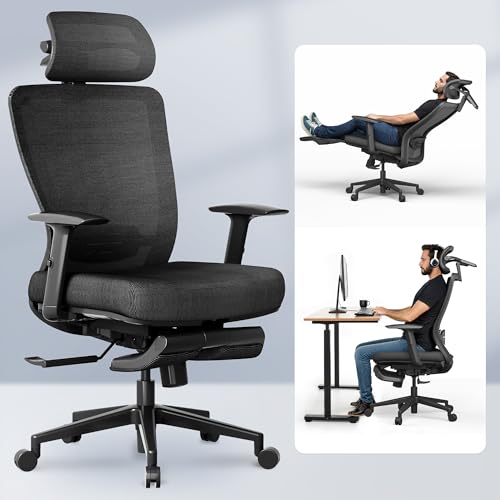
The FLEXISPOT OC3 Cloud Chair emphasizes ergonomic back support with passive lumbar relief and a 3D headrest to align neck posture during long sessions. A retractable footrest offers a resting option during breaks or when leaning back. The chair uses a high-quality mesh that resists abrasion and deformation, paired with a sturdy base capable of supporting up to 300 lbs. This combination targets posture, circulation, and comfort for programmers who work at a desk for several hours a day.
DEVAISE Ergonomic Mesh Office Chair

The DEVAISE chair uses elastic mesh for breathability, helping reduce heat buildup during lengthy coding sessions. It features a backrest with an adjustable headrest and lumbar support to promote proper spine curvature. A BIFMA-certified base and smooth wheels protect floors, while the gas lift supports up to 400 lbs for stability. The ergonomic design aims to minimize neck and lower-back fatigue during extended work periods, making it suitable for developers and testers alike.
500lbs 3D Kneading Massage Office Chair
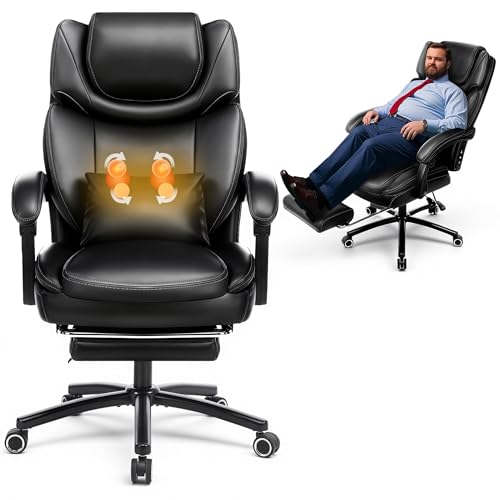
This chair is designed for heavier users and adds massage-oriented features. The thick cushion and wide seat accommodate larger frames, while a 3D kneading lumbar system targets the mid-to-lower back for fatigue relief. A solid nylon base and SGS-certified gas lift emphasize stability under extended use. The massage capability can help offset the stiffness common after long coding sessions, though coverage is limited to a few zones, focusing on sustained desk work and light relaxation between tasks.
Homall Gaming Chair With Massage Lumbar

The Homall Gaming Chair blends office usefulness with gaming-style comfort. It features a headrest and massage lumbar support, a high-density foam cushion, and a tilt mechanism with reclining angles up to about 135 degrees. A sturdy base and smooth-rolling casters support extended use, while 360-degree swivel adds flexibility for multitasking between code, chats, and monitoring. For programmers who enjoy gaming breaks or extended brainstorming sessions, this chair provides both posture support and relaxation features.
AreShark Cross Legged Office Chair
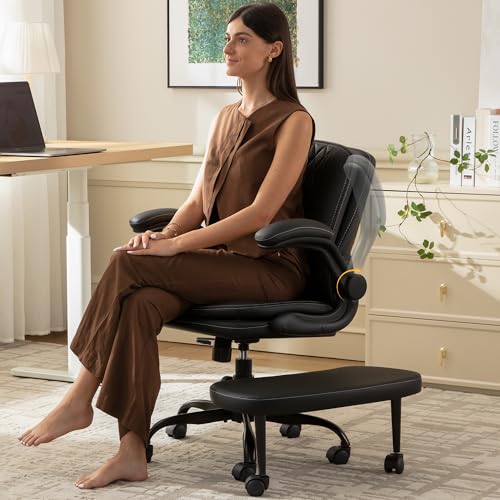
AreShark offers a cross-legged, adjustable-height chair designed for dynamic sitting. This format supports movement, which some programmers find helpful for focus after long periods of static posture. The chair includes dual-layer padding to distribute pressure across the spine and hips, reducing fatigue during extended use. Its flexible design aims to accommodate different tasks—from drafting or debugging to long analysis sessions—while maintaining a professional workspace appearance.
Buying Guide: Key Purchase Considerations
Ergonomics and adjustability are essential. Look for lumbar support that matches your natural spine curve and a headrest if you neck-tension after long sessions. Seat width and depth should suit your body type; wider seats help large users and those who move around while coding. Material matters; breathable mesh prevents heat buildup during long hours, while padded leather or foam can offer comfort but may trap heat. A reclining feature and a footrest can reduce leg strain during break times. A sturdy base and smooth-rolling wheels protect floors and stability during intense work.
Footrests, massage features, and cross-legged designs serve different needs. Footrests support leg circulation during breaks; kneading lumbar or massage options may alleviate stiffness but add cost and complexity. Cross-legged chairs encourage movement, which can aid focus for some users but may feel unfamiliar. Evaluate your desk height, chair height range, and whether you’ll sit for 8+ hours daily. Finally, check weight capacity to ensure compatibility with your body type and long-term durability.
In practice, choose a primary chair with strong lumbar support and good breathability. If you frequently switch between tasks, a chair with versatile recline and a footrest can be beneficial. For users prioritizing muscle relief, massage features provide an added benefit. If you share workspaces or need wide seating, a heavier-duty chair provides longevity. The best option depends on your comfort preferences, room design, and daily workflow. Always test posture compatibility with your setup when possible.